1. Quantitative Research
This is where the research is mainly gathered in larger amounts with varied qualities e.g. the information can be gathered with numerical data e.t.c. Another aim of this to to ask a large amount of people, in order to retrieve simple answers (yes, no).
An example of this is: In Britain, many people were asked a question which was "do you like action games?" - the answer in return would either be yes or no. The group who asked these question were studying games design and needed to portray this question to the public in order to retrieve data in which they needed. From asking the many different people, the answer they got was that from the people they asked; more people said "yes" rather than "no" implying that more people liked action games, than didn't.
Another example of quantitative research in games is this:
examples
This is a website showing teens civics with video games. Also quantitative results based around video games shown here.
http://www.pewinternet.org/2008/09/16/teens-video-games-and-civics/
http://moodle.salfordcc.ac.uk/pluginfile.php?file=%2F33723%2Fmod_resource%2Fcontent%2F0%2FGaming%20Britain%20%28web%20version%29.pdf

http://en.wikipedia.org/wiki/Quantitative_research
2. Qualitative Research
The meaning and purpose for qualitative research is to gather different opinions and motivations e.c.t. as this helps the person when it comes to developing something or when they need help with what to create (a game) e.c.t.
An example of this is:
examples
This website portrays opinions based around the game Skyrim. However, many people replied back to the one person and this created a focus group conversation based on the game leading to many different opinions and thoughts on the game Skyrim.
http://www.rockpapershotgun.com/2011/11/10/skyrim-review-pc/
These are video clips on mums reacting to dead space 2. From this different opinions and actions are presented abbout the game me.g. some mums find the game scary.
http://justinhargraves.com/EA-YOUR-MOM-HATES-DEAD-SPACE-2
Furthermore, qualitative research is packed with many details and opinions from different people, Usually less people are asked in qualitative research than quantitative research; However, much more information is gathered.
http://en.wikipedia.org/wiki/Qualitative_research
3. Audience Profiling
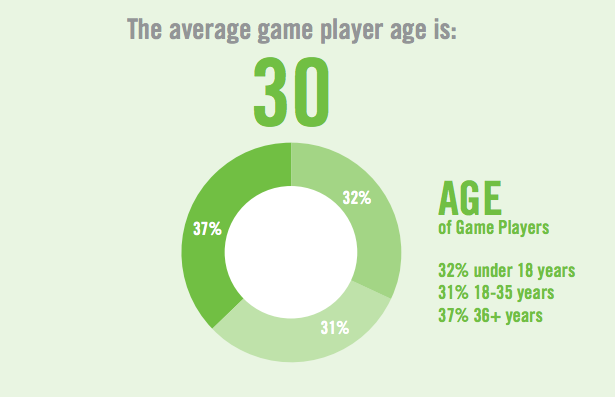
This is where you simply find out the profile of your audience before hand so that you can get your message across to the right people, From this you may gather what sex the person is, age and even what qualifications a person has. An example from the games industry is this:

This way the people portraying the audience profiling know which type of people they are asking e.g. they might need to ask people under 18 how many hours they spend on a game and so to find 18 year old's and under, audience profiling will help them with this.
https://answers.yahoo.com/question/index?qid=20080929075444AAPJwsK
4. Demographics
Demography is used widely in public opinion, polling and marketing. Commonly examined demographics include gender, age,ethnicity, knowledge of languages, disabilities. Furthermore, This is used in the games industry to gather more accurate information likewise audience profiling. Demographics is another type of audience profiling, however, it defines the adult population largely. In addition, it breaks the population up into 6 groups and labels them using a letter code to collect different statuses from different members, from different groups.
http://en.wikipedia.org/wiki/Demographics
An example of demographics is this:
http://www.snapsurveys.com/blog/5-survey-demographic-question-examples/
examples

5. Psycho-graphics
Psycho-graphics look into a persons behavior and personality. Also They put the audience into groups with labels that suggest their position in society. This way the results will be more accurate as the survey will target an audience more relevant for he results.
Here is an example:

6.Geo demographics
This is used as a technique to target similar audiences. e.g. people who live in the same neighborhood usually have the same characteristics. From this, neighborhoods can then be placed into categories even if they are miles apart. This is because the people who live their are more likely similar in characteristics.


No comments:
Post a Comment